

Hundreds of migrating bird species, coastal marshes, beaches, and one of North America's busiest flyways make Galveston Island one of the country's greatest birdwatching destinations. Here's what makes it so special.
Birding in Galveston Island, TX
Every spring, hundreds of millions of birds travel between North and South America. For many of them, one small barrier island off the Texas coast marks the difference between survival and exhaustion: Galveston Island.
Extraordinary geography has made Galveston one of the world's premier birding destinations. Sitting at the heart of the Central Flyway, one of North America's great migration corridors, the island has recorded more than 300 bird species throughout the year. Even winter welcomes over 100 species.
Professional birder Greg Miller, whose "Big Year" inspired a bestselling book and Hollywood film, counts Galveston among his favourite birding destinations in North America.
Fortunately, you don't need expert knowledge to enjoy it. Observation towers, boardwalks and roadside pull-offs provide easy access, while many of the island's best birding spots can even be explored from your car.
A quick hello from our side of the island
At Sand 'N Sea Properties, we've been helping visitors experience Galveston Island for more than 50 years. We manage over 185 vacation rental homes across the island, from beachfront escapes and waterfront retreats to family-friendly homes and larger properties for groups and celebrations.
Our blog is packed with local insights covering everything from Galveston breakfast spots to seasonal events and pet-friendly activities — insider tips from a team that has called the island home for generations.
If you're hoping to experience Galveston's world-class birding, Galveston Island State Park should be at the top of your itinerary. Here's why.
1. Because It Marks the End of the Gulf Crossing
For many birds, Galveston's beaches mark the finish line.
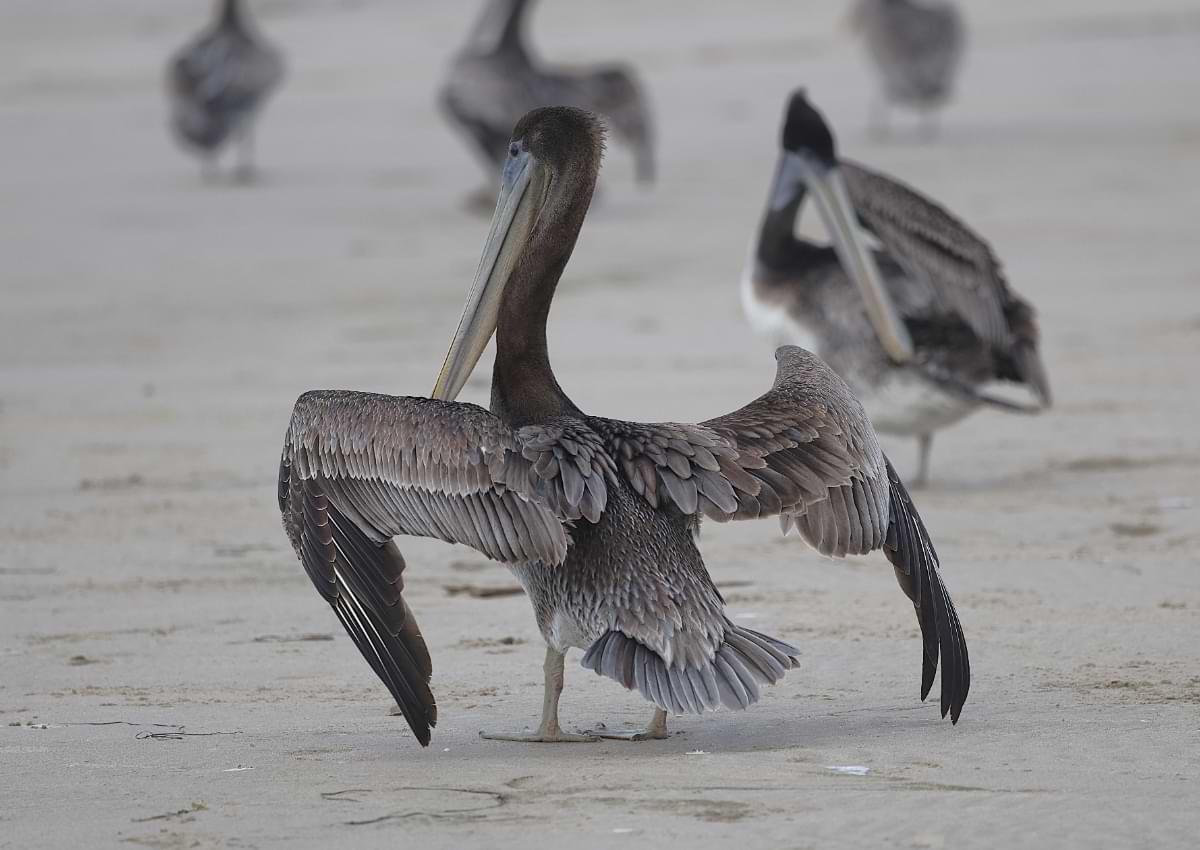
After flying roughly 500 miles across the Gulf of Mexico without a place to land, migrants descend onto the island's shoreline to rest and refuel. During peak migration, the beaches transform into one of the busiest birding habitats on the island, with exhausted travellers feeding alongside year-round coastal residents.
Why birders love it
Rather than watching birds pass overhead, you can witness them arriving, recovering and preparing for the next stage of their journey. Every tide brings fresh opportunities as newly exposed mudflats attract large feeding flocks.
Signature birds
- Brown Pelicans, spectacular plunge-divers.
- Royal and Caspian Terns, common along the shoreline.
- Laughing Gulls, abundant year-round.
- Black Skimmers, skim the water's surface with their elongated lower bill.
- Piping Plovers, protected species, best seen at East Beach in spring.
- Snowy and Wilson's Plovers, forage along sandy beaches.
- Willets, common shorebirds.
- Sandpipers, especially numerous during migration.
- American Oystercatchers, nest among the dunes year-round.
- Black Terns, gather in huge flocks near San Luis Pass in late summer.
- Woodland migrants, colourful songbirds that occasionally appear at East End Lagoon after crossing the Gulf.
Best places to experience it
East End Lagoon, Big Reef and East Beach consistently rank among Galveston's premier coastal birding sites, even delivering excellent sightings without leaving your car. At the western tip of the island, San Luis Pass offers another spectacular vantage point where the Gulf meets the bay.
Pro birding tip
Visit around low tide, when exposed mudflats and sandbars concentrate shorebirds into easily viewed feeding areas.
2. Because Galveston's Wetlands Refuel Exhausted Migrants
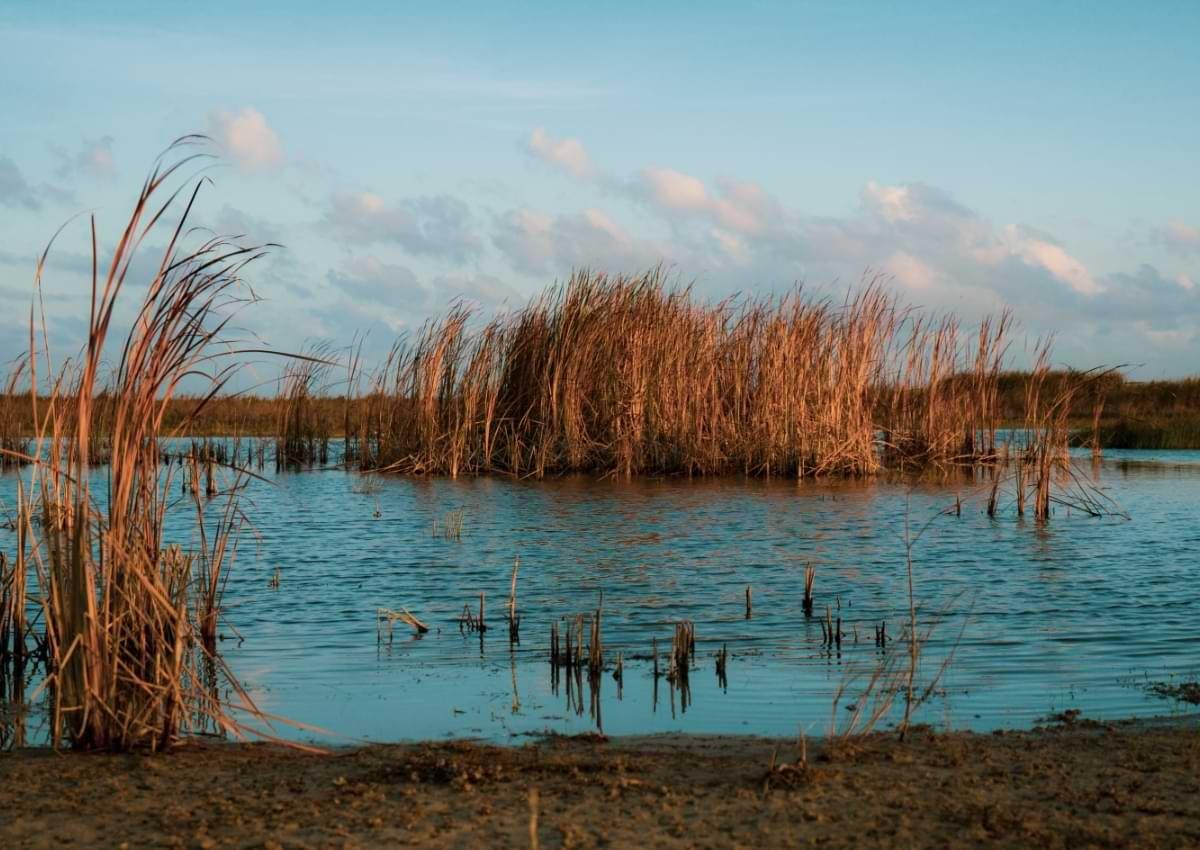
It's not all about the beaches. Galveston's marshes and wetlands provide one of the island's richest feeding grounds. Where freshwater meets the Gulf, nutrient-rich estuaries support an abundance of fish, crustaceans and insects, allowing exhausted migrants to replenish the energy needed for the next leg of their journey.
Why birders love it
These wetlands are far more than a resting place. They also serve as important nesting grounds, supporting colonial waterbirds throughout the year. Their remarkable variety allows an exceptional diversity of species to thrive within a relatively small area.
Signature birds
- Great Blue, Great, Snowy, Little Blue and Tricolored Herons, common wading birds across the marshes.
- Reddish Egret, one of Galveston's signature birds, including its striking white morph.
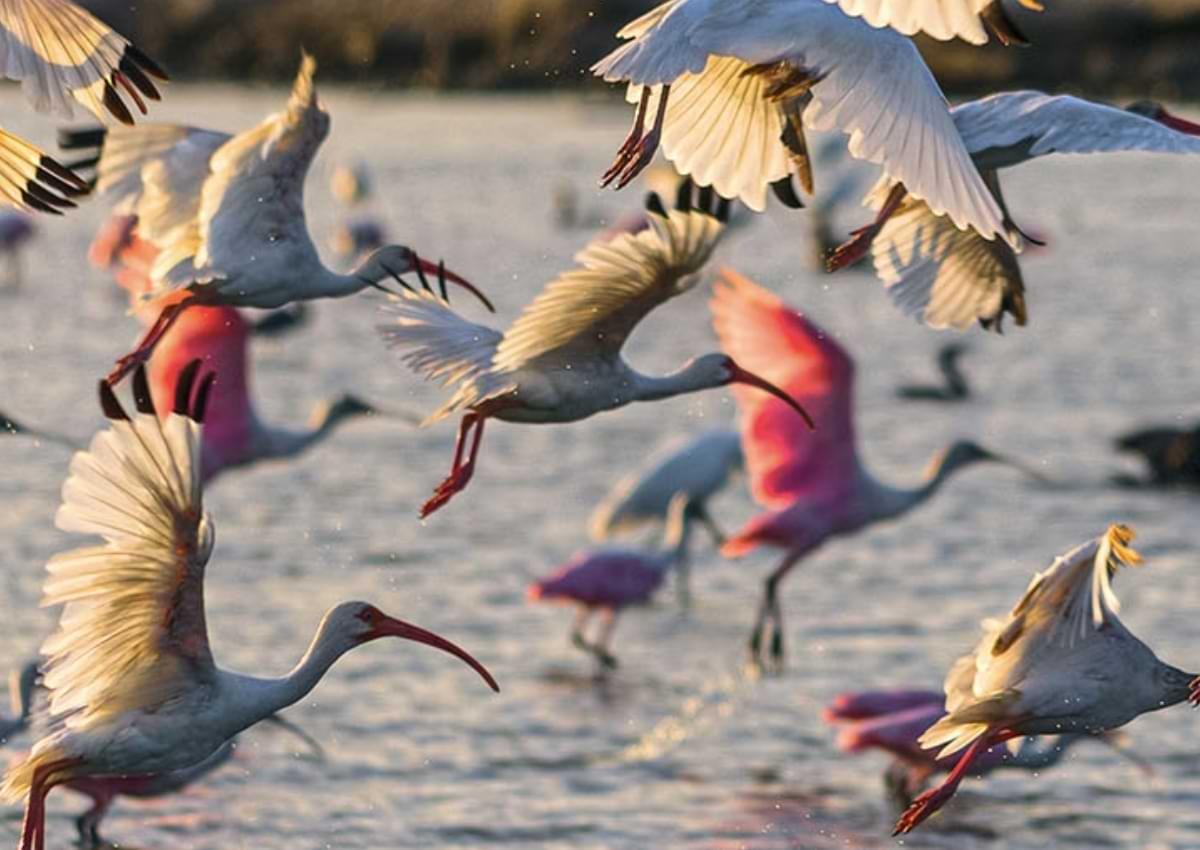
- Roseate Spoonbills, bright pink marsh favourites.
- White and White-faced Ibis, forage through shallow water.
- Black-crowned and Yellow-crowned Night-Herons, often found roosting around the island.
- Clapper and King Rails, elusive marsh birds hidden among dense vegetation.
Best places to experience it
Galveston Island State Park offers one of the easiest introductions to the island's wetlands, while East End Lagoon and nearby marshes offer visitors an impressive variety of wading birds throughout the year.
3. Because Its Woodlands Rescue Songbirds
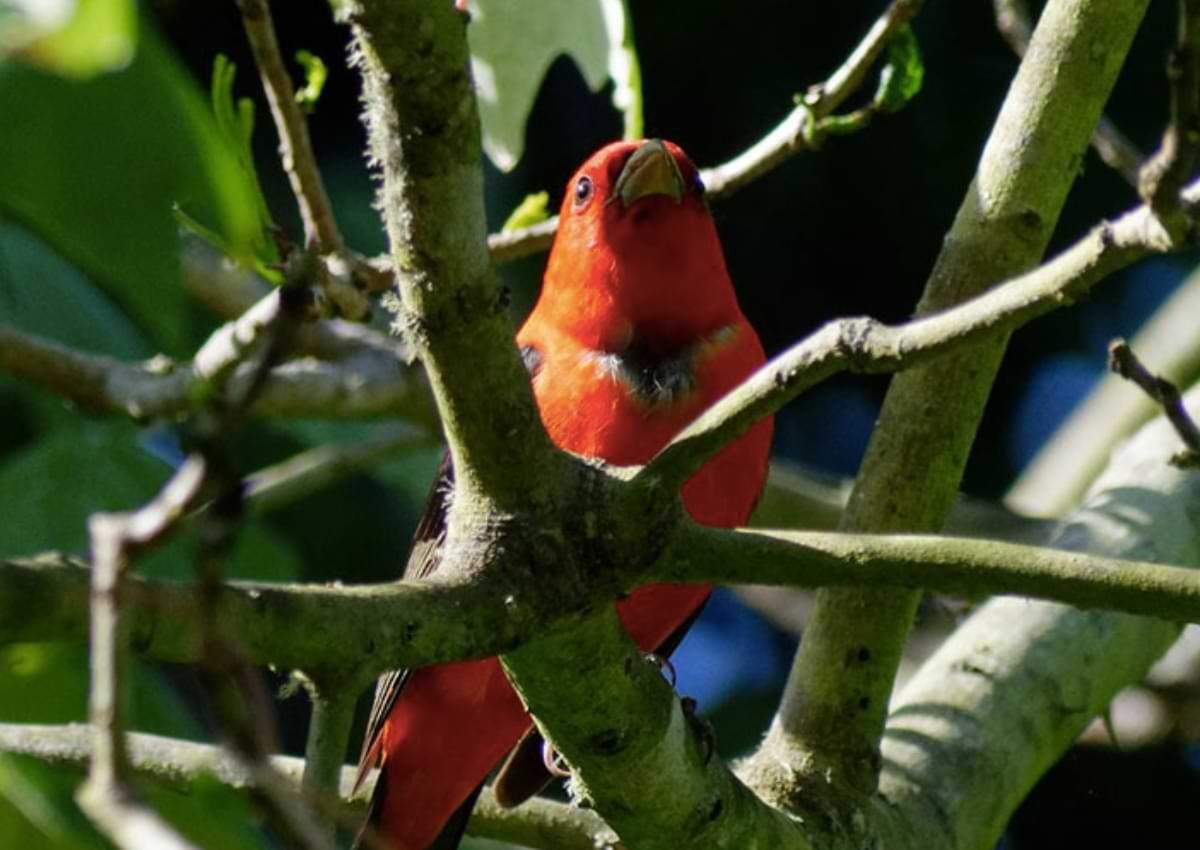
After flying roughly 500 miles nonstop across the Gulf of Mexico, many songbirds arrive with little energy left. Rather than continuing inland, they descend into the first trees and shrubs they encounter, transforming the island's small wooded preserves into some of North America's most remarkable birding sites.
Why birders love it
Places such as Lafitte's Cove Preserve, Corps Woods and Dos Vacas Muertas act as natural migrant traps. On the right day, dozens of species can gather within a single grove, offering unusually close views of birds that might otherwise remain hidden high in the forest canopy.
Even more remarkable are the events birders simply call "fallouts." When changing weather interrupts migration, exhausted birds descend en masse into these coastal woodlands, creating a true spectacle: instead of watching migration pass overhead, you're suddenly surrounded by it.
Signature birds
- Blue-winged, Blackburnian, Magnolia, Chestnut-sided and Prothonotary Warblers, spring migration highlights.
- Orioles, tanagers, buntings, vireos and flycatchers bring bursts of colour to the woodlands.
- Lafitte's Cove Preserve recorded 137 bird species in a single spring season, making it one of the island's premier birding hotspots.
Best places to experience it
Lafitte's Cove Preserve is the island's best-known migrant trap, while nearby Corps Woods and Dos Vacas Muertas offer equally rewarding opportunities during peak migration.
Pro birding tip
Mid to late April offers the greatest diversity of songbirds, but if a weather front moves through during spring migration, keep your binoculars close. A fallout can transform an ordinary morning into one of the most memorable birding experiences in North America.
4. Because Its Bays Support Birds All Year
The island's beaches may steal the spotlight, but Galveston's quieter bays, lagoons and freshwater ponds offer equally rewarding birding. These sheltered waters provide dependable feeding grounds throughout the year, particularly for waterfowl, pelicans and other water-dependent birds.
Why birders love it
Unlike the migration hotspots along the coast, these calmer waters reward visitors in every season. Winter is particularly productive, when large rafts of ducks gather across the bays, and more than 100 bird species remain on the island.
Signature birds
- Gadwall, American Wigeon, Northern Shoveler, Blue-winged Teal and Lesser Scaup, abundant winter waterfowl.
- Mottled Ducks, Black-bellied Whistling-Ducks and Fulvous Whistling-Ducks, found throughout the year.
- Brown and White Pelicans, regular visitors to bays and lagoons.
- Pied-billed Grebes, Neotropic Cormorants and Ospreys, common sights on the water.
- Bald Eagles, occasional but rewarding sightings.
Best places to experience it
Galveston Island State Park offers some of the island's finest freshwater and bay birding, while East End Lagoon and Offatts Bayou are excellent places to watch waterbirds throughout the year.
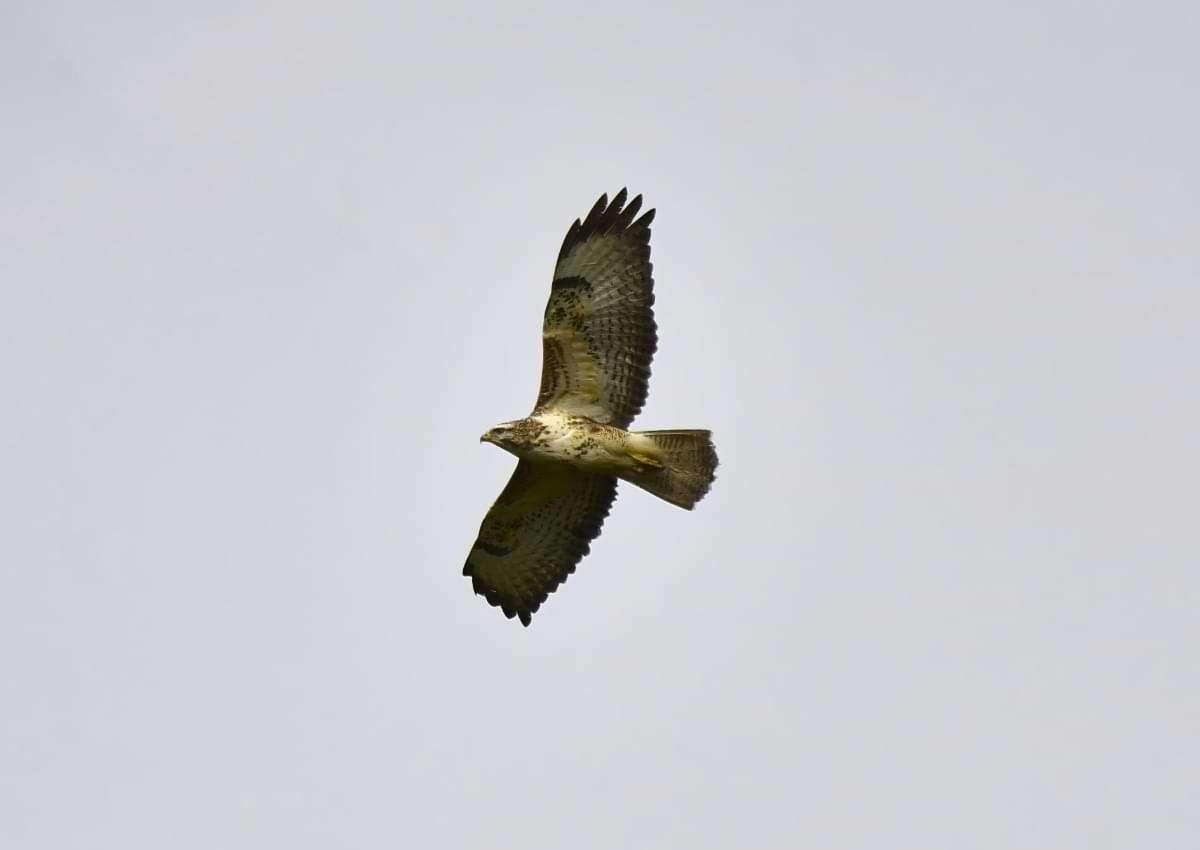
5. Because Thousands of Raptors Fill the Sky Each Autumn
Birdwatching in Galveston isn't confined to the shoreline. Every autumn, the skies host one of the region's greatest wildlife spectacles as thousands of birds of prey follow the Central Flyway south.
Why birders love it
The highlight is a phenomenon known as "kettling," when hawks circle together in rising columns of warm air before continuing their migration. At peak season, thousands of birds can spiral overhead at once, creating one of Texas' most remarkable birding experiences.
Signature birds
- Broad-winged Hawks and Mississippi Kites, dominate the autumn migration.
- White-tailed Kites, Northern Harriers, Peregrine Falcons and Crested Caracaras, regular raptor sightings.
- Yellow-headed Caracaras, rare but occasionally recorded in the region.
Best places to experience it
Smith Point Hawk Watch is the premier location for witnessing the migration, while Galveston Island State Park, Anahuac National Wildlife Refuge and Brazoria National Wildlife Refuge all offer excellent opportunities to spot resident and wintering raptors.
Best time to visit
September through November is the peak season for hawk migration, although winter also offers excellent opportunities to spot Northern Harriers, Peregrine Falcons and other birds of prey.
Birding in Galveston, TX? Frequently Asked Questions
Where can I enjoy free birding in Galveston TX?
You can enjoy free birding at East End Lagoon, along the Seawall, on public roads such as 8 Mile Road, or aboard the free Galveston–Bolivar Ferry.
What are the best birding spots in Galveston TX?
Some of the island's top birding locations include Galveston Island State Park, Lafitte's Cove Nature Preserve, East End Lagoon, and Bolivar Flats Shorebird Sanctuary.
Are Galveston bird watching tours worth taking?
Yes. Guided birdwatching tours provide expert local knowledge and can help you spot an impressive variety of species in a short amount of time.
When is the best time to go birding in Galveston, TX?
Birding is rewarding year-round, but mid to late April offers the greatest diversity as spring migration peaks.
Do I need binoculars for birding in Galveston, TX?
Binoculars are highly recommended for identifying birds, although many species can also be seen from observation platforms, your car, or even a hotel balcony.
Can beginners enjoy birding in Galveston, TX?
Absolutely. Many of Galveston's premier birding sites are easy to access by car or short boardwalks, making the island an excellent destination for birders of all experience levels.

Find Your Escape on Galveston Island
A great Galveston Island trip starts with the right place to stay.
At Sand 'N Sea Properties, we offer more than 185 vacation rental homes across the island, from beachfront escapes and waterfront retreats to family-friendly homes and spacious properties for reunions, celebrations, and group getaways. Find your perfect base and experience Galveston Island at its finest.
 Owner Login
 Guest Login